How do attachment styles influence conflict resolution? Explore the four attachment styles—secure, anxious insecure, anxious avoidant, and disorganized—and their impact on relationships. Learn how self-awareness and empathy can transform conflict into connection. Are you ready to understand your attachment style?
SUBSCRIBE: https://www.youtube.com/@LifeTheory46
VISIT: https://linktr.ee/lifetheory46
Get You Monthly Life Stories in Advance & Our Premium Learning Packs HERE:
Understanding Conflict Through Attachment
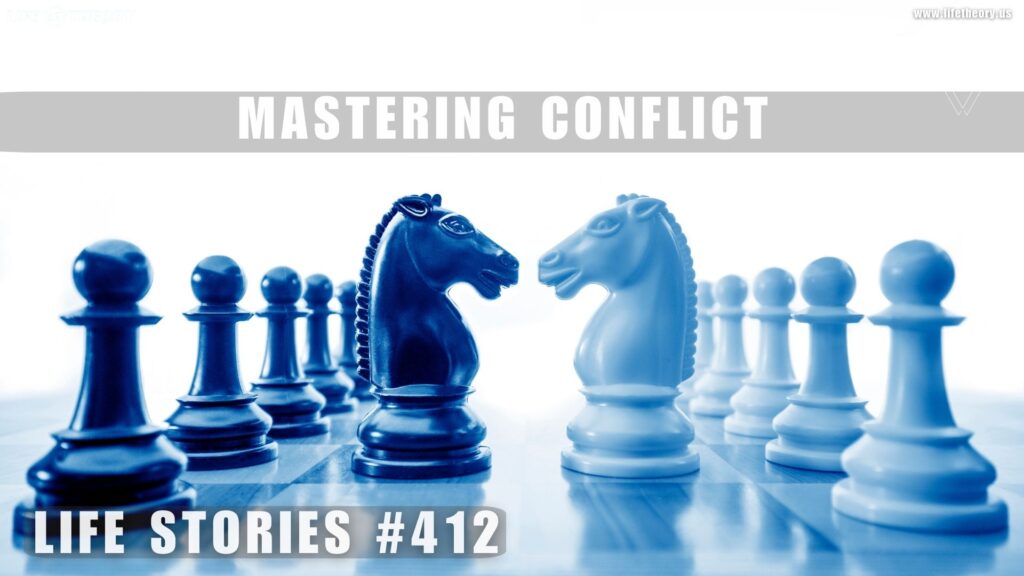
Conflict—inevitable, unpredictable, and often deeply personal. Whether it emerges in the quiet corners of a family argument or erupts amidst the chaos of a professional disagreement, conflict is a thread that weaves through every relationship we hold. Today, we’ll unravel how our attachment styles shape the way we respond in these moments of tension and, more importantly, how understanding these patterns can help us communicate more effectively. This isn’t just about theory; it’s about change—about taking control of how we navigate the storm.
Attachment styles are more than psychological buzzwords—they’re the silent architects of our relationships, built brick by brick in the earliest years of our lives. Yet, these foundations don’t remain in the past; they seep into our adult relationships, shaping our fears, reactions, and the ways we connect or disconnect in moments of friction. And unless we actively decide to understand and shift these patterns, they can quietly govern us for life.
Attachment theory identifies four key styles that influence how we approach relationships and handle conflict: secure, anxious insecure, anxious avoidant, and disorganized. Each carries unique traits, challenges, and potential for growth. To transform how we engage with others, we must first decode which style we lean toward and recognize how it plays out in our interactions.
Let’s start with the secure attachment style, often seen as the gold standard in relationships. Those with secure attachment tend to feel confident in their connections, which allows them to approach conflict with openness and empathy. When disagreements arise, they can express their thoughts clearly, listen without feeling threatened, and actively seek solutions that honor both sides. Their emotional steadiness means they’re not paralyzed by fear of losing the relationship; instead, they prioritize resolution and understanding. This creates an environment where conflict becomes a bridge to deeper connection rather than a chasm of misunderstanding.
Next, there’s the anxious insecure attachment style, marked by heightened sensitivity and an intense need for reassurance. For those with this style, conflict can feel like a battlefield, their emotions firing off in rapid, overwhelming bursts. The fear of abandonment often lurks beneath their reactions, driving defensiveness or attempts to control the situation to protect their relationships. For these individuals, the key to navigating conflict lies in stepping back—taking a moment to breathe, reflect, and regulate before engaging. By doing so, they can begin to approach challenges with clarity rather than being swept away by the tides of emotion.
In stark contrast stands the anxious avoidant attachment style, characterized by a deep-seated fear of intimacy and an overwhelming desire for independence. People with this style often avoid conflict altogether, retreating into silence or emotional distance when disagreements arise. Their reluctance to express vulnerability can make resolution difficult, leaving issues unresolved and relationships strained. Breaking this cycle requires the courage to lean into discomfort—to speak up, share feelings, and confront the vulnerability they so often avoid.
Then there’s the disorganized attachment style, the most complex of all. For those with this pattern, relationships often feel unstable and chaotic, marked by an internal tug-of-war between a longing for connection and a fear of it. In conflict, they may feel overwhelmed, struggling to manage their emotions or respond constructively. The path forward for these individuals lies in seeking support—whether through trusted relationships, therapy, or self-work—and focusing on building a foundation of security and emotional regulation.
Regardless of where you fall on this spectrum, the truth remains: empathy is the cornerstone of effective conflict resolution. When we approach disagreements with an open mind and a genuine effort to understand the other person’s perspective, we create space for dialogue, growth, and connection. Avoiding blame and focusing on solutions doesn’t just diffuse tension; it lays the groundwork for healthier, more resilient relationships.
Of course, this process starts with self-awareness. To truly change how we engage with conflict, we must first reflect on how our attachment style was formed and how it manifests today. Consider this: How did your family handle conflict when you were a child? Did disagreements feel safe or threatening? How did those experiences shape your reactions now as an adult? These questions hold the key to unlocking patterns that may otherwise remain hidden in the background.
Self-awareness isn’t just a buzzword—it’s a prerequisite for growth. When we take the time to understand our emotional triggers and patterns, we move out of autopilot and into conscious choice. And while this process may be uncomfortable at first, it’s a necessary step toward becoming the person we aspire to be in our relationships.
Here’s a challenge to get you started. Find a quiet moment and write down your answers to these questions: How did I experience conflict as a child? How did it make me feel? How did I cope? And how do I deal with conflict now? Once you’ve reflected, take it a step further: Identify your attachment style and consider how it shapes your approach to conflict today. What’s one small step you can take to shift that pattern and respond differently next time?
Change doesn’t happen overnight. It’s a process, a journey that requires courage, curiosity, and commitment. But the rewards—healthier relationships, deeper connections, and a greater sense of emotional freedom—are more than worth the effort. So why not start today? Because every step you take toward understanding yourself is a step toward transforming your world. And as you navigate these moments of growth, remember that conflict isn’t an enemy to be feared; it’s a teacher, a guide that can lead you to greater understanding if you’re willing to listen.
Take that first step. The change you seek starts with you, right here, right now.
–> Read More Life Stories Here:
https://www.lifetheory.us
https://www.lifetheory.eu
Buy all of our Life Stories & Our Premium Learning Packs. Listen or Read to them anytime you want. Have them Forever.
You can get each monthly lesson on our website at https://www.skyboy46.com/store
SHARE THIS STORY
Visit Our Store
SHOP NOW
www.skyboy46.com & www.myskypet.com
Designed For Pet Lovers & Introverted Souls
Sport, Hobbies, Motivation, Music & Art






~EXPLORE MORE~
www.linktr.ee/skyboy46