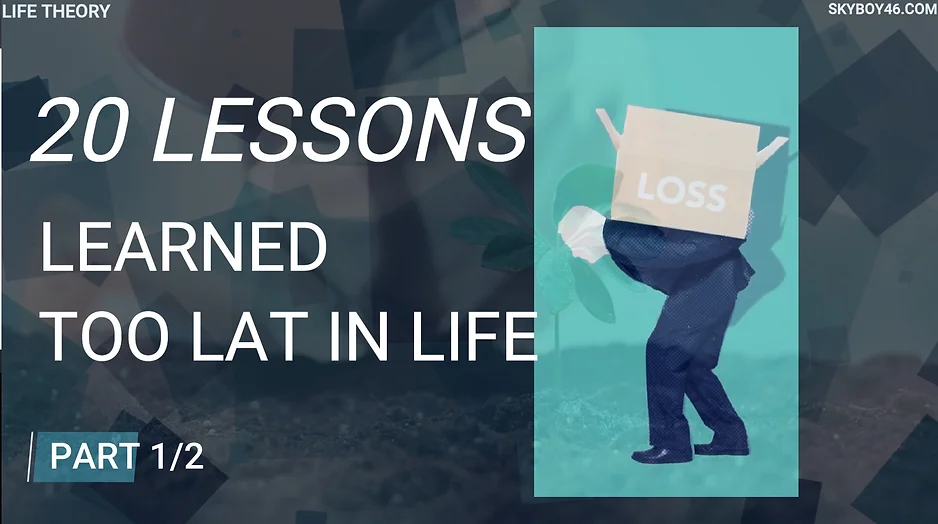
What shapes us beneath the surface? Explore the impact of childhood trauma on mental health and behavior. Learn to reframe traumatic experiences with compassion and understand the power of healing. Are you ready to understand your past?
SUBSCRIBE: https://www.youtube.com/@LifeTheory46
VISIT: https://linktr.ee/lifetheory46
Get You Monthly Life Stories in Advance & Our Premium Learning Packs HERE:
What Shapes Us Beneath the Surface?
We think we understand the world, but sometimes the most profound truths slip by unnoticed. Consider this: only about 1% of the population is thought to be clinically psychopathic. These individuals have a smaller amygdala—the part of the brain tied to emotions like empathy and joy. They may lack the capacity for love or happiness, but their minds don’t shut out anger or rage. Research tells us that up to one-third of murderers fit the profile of a clinical psychopath. Most serial killers fall into this category. But here’s the unsettling part: many people with psychopathy live undetected among us, weaving through society unnoticed, perfectly camouflaged.
Mental health conditions, though rooted in biology, are heavily shaped by the environment. Even the most challenging behaviors can soften under stable, loving care. Our upbringing, more than our genes, determines how we treat others—and how we see ourselves. Childhood, with its endless potential for both nurturing and harm, builds the foundation for everything we become. Yet so often, behind closed doors, children endure unimaginable neglect. Their cries for help go unheard, and their wounds—physical or emotional—are dismissed or overlooked.
Trauma doesn’t always leave visible scars. It’s not just the striking moments of abuse; sometimes, it’s the quiet, creeping weight of neglect or abandonment. Children’s minds don’t know how to filter the world—every experience feels monumental, every moment a potential threat. Without consistent reassurance, they carry these fears into adulthood, distorting how they perceive themselves and others.
When faced with deviant behavior in schools or elsewhere, it’s easy to slap on a label: troublemaker, menace, problem child. But these behaviors rarely appear without reason. Trauma often lurks beneath the surface, hidden from view. Dr. Bruce Perry and Oprah Winfrey explored this deeply in What Happened to You? Their work highlights how trauma reshapes not just our minds but our entire way of living. Physical abuse, emotional neglect, profound loss—these experiences leave lasting imprints on the brain.
When trauma strikes, the brain adapts, often in ways that prioritize survival over well-being. This manifests as anxiety, depression, or behaviors like addiction. And instead of questioning the origins of this pain, many of us get stuck on questions like Why did this happen to me? or worse, What’s wrong with me? These questions are traps, pulling us into cycles of blame and shame. They imply fault, even when none exists.
A better question reframes the narrative: What happened to you? This shift encourages curiosity and compassion. It’s an invitation to understand, not judge. Trauma isn’t a reflection of weakness; it’s a reaction to circumstances beyond our control. By asking what happened, we can untangle the threads connecting past wounds to present struggles. It’s not easy, nor is it instantaneous, but this perspective opens the door to healing.
Think of trauma like a tree with roots buried deep in the past. Its branches—our beliefs, behaviors, and relationships—are shaped by what lies beneath. Understanding this connection allows us to prune and nurture growth rather than letting the tree wither under the weight of its history.
This approach isn’t just for individuals. Imagine encountering someone difficult—a coworker, a stranger, even a friend. Instead of writing them off as inherently problematic, consider what experiences might be driving their behavior. What happened to them to make them act this way? This doesn’t excuse harmful actions, but it helps us approach situations with empathy rather than judgment.
As adults, we have the tools to reframe our stories. Traumatic events don’t define us, but they shape us. When we ask the right questions, we shift from being victims of circumstance to active participants in our own healing. Returning to those pivotal moments, addressing our inner child, and offering the care we once lacked—it’s a journey of reclamation.
No one deserved the pain they endured as a child. But everyone deserves the chance to heal. The road forward isn’t about erasing the past; it’s about understanding it, making peace with it, and finding strength in the lessons it taught. Because while trauma leaves a mark, so does resilience. And that resilience is yours to claim.
–> Read More Life Stories Here:
https://www.lifetheory.us
https://www.lifetheory.eu
Buy all of our Life Stories & Our Premium Learning Packs. Listen or Read to them anytime you want. Have them Forever.
You can get each monthly lesson on our website at https://www.skyboy46.com/store
SHARE THIS STORY
Visit Our Store
SHOP NOW
www.skyboy46.com & www.myskypet.com
Designed For Pet Lovers & Introverted Souls
Sport, Hobbies, Motivation, Music & Art






~EXPLORE MORE~
www.linktr.ee/skyboy46